


Cart is empty

Free Travel Water Bottle With Orders Over €100


First Dispatch Date: 9th November 2026
Bare Root Blackthorn Hedging - Description
- Bare Root Blackthorn Plants
- Prunus spinosa
- Also known as Blackthorn, Sloe Bush and Wild Plum
- Native Irish Hedging Plant
- Bare Root Plants - Supplied without Containers or Pots
- Size: 3ft (60–100cm)
- Age: 2 Year Old Plants (1+0 / 1 Year Transplant)
- Quantity: 25 Plants
- Recommended Spacing: 10–30cm Between Plants
- Closer spacing creates a thicker and denser hedge
Bare Root Blackthorn Hedging - Characteristics
- Deciduous native shrub or small tree which can reach approximately 4m in height
- Loses its foliage during winter
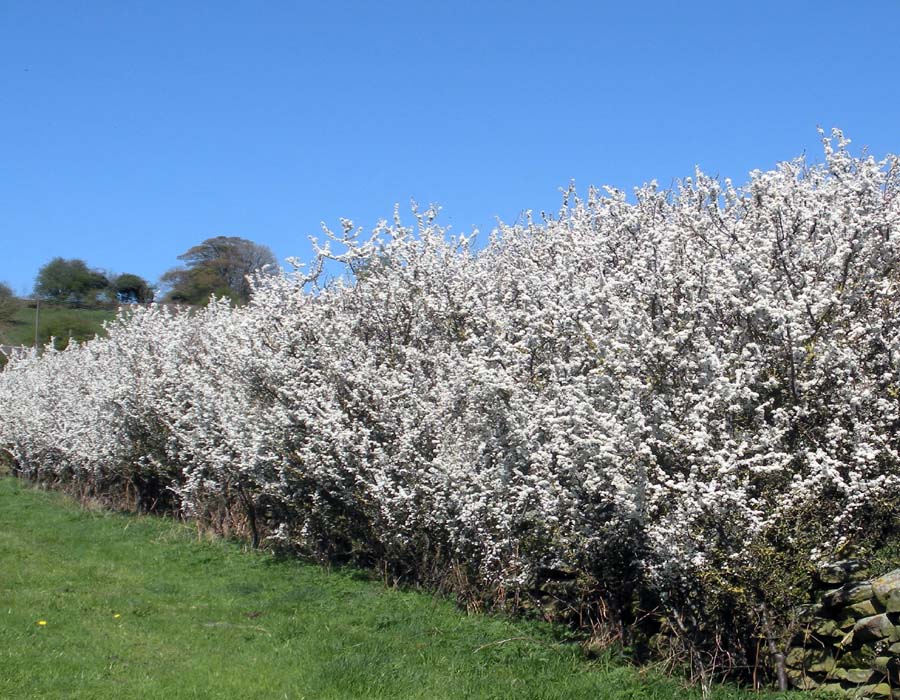
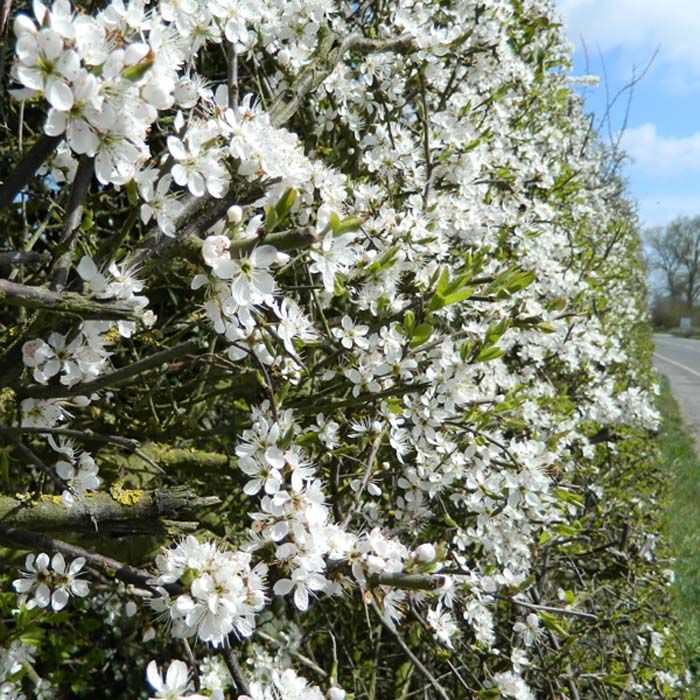
- Produces white flowers in April and May
- Flowers appear before the new foliage develops
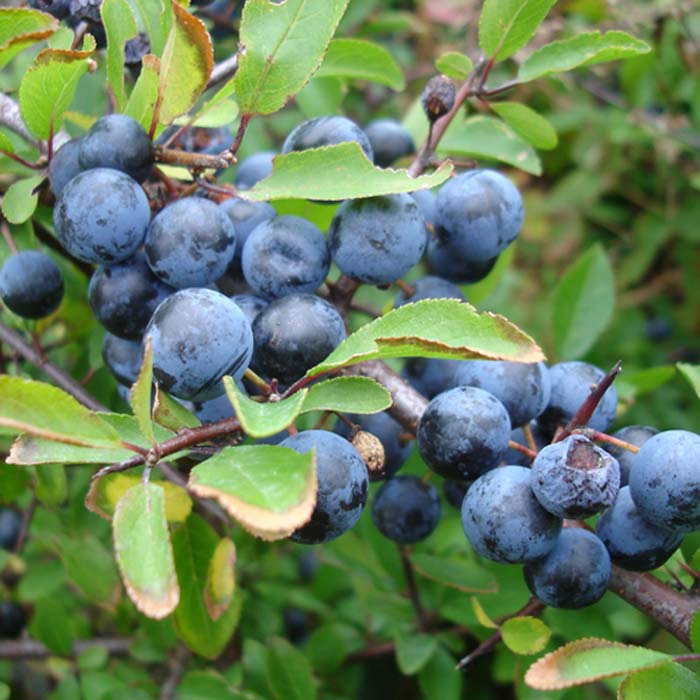
- Produces sloes in autumn
- Sloes are small, dark purple to blue-black fruits with a distinctive sour flavour
- Very hardy and well suited to cold Irish winters
- Dense, thorny growth makes it particularly useful for boundary hedging
Bare Root Blackthorn Hedging - Uses
- Native to Ireland and an excellent choice for native gardens and traditional hedgerows
- Thorny growth makes it ideal for boundary hedges and creating natural barriers
- Suitable for livestock-proof hedging when properly established and managed
- Forms a dense, informal hedge when planted and allowed to develop naturally
- Provides valuable shelter and habitat for birds, insects and other wildlife
- Can be combined with other native hedging plants such as Holly, Hazel, Whitethorn, Elder, Wild Rose, Ivy and Bramble
- Can also be grown as an individual specimen shrub or small tree
- Produces attractive white spring blossom followed by sloes in autumn
Bare Root Blackthorn Hedging - Planting Instructions
Planting Time
- Plant bare root hedging during the dormant season from October to March.
- Avoid planting when the ground is frozen or during severe frosty conditions.
Trench Preparation
- Dig a trench approximately 1.5ft wide and 1.5ft deep.
- Add well-rotted farmyard manure to the base of the trench if required.
- Cover the manure with a layer of soil before planting.
Positioning Plants
- Space plants approximately 10–30cm apart depending on the desired hedge density.
- For a thicker hedge, plants can be staggered to create a double row.
- Staggering the plants creates a wider and denser hedge.
- Backfill with suitable topsoil.
- Ensure the base of each plant is positioned just below the soil surface.
- Firm the soil carefully around the roots.
- Level the soil around the plants.
Handling the Plants
- Watering is essential both before and after planting.
- Plant the bare root plants as soon as possible after delivery.
- If planting is delayed, temporarily heel the plants into suitable soil.
- Keep the roots in their packaging and protected from direct sunlight.
- Take care not to damage the roots, bark or buds during planting.
After Care
- Water regularly until the plants are fully established.
- Water thoroughly immediately after planting.
- During prolonged dry weather, water approximately every 2 days.
- Keep the area around the new hedge free from competing weeds.
- A new hedge should be weeded at least three times during the growing season.
- We recommend weeding in March, June and September.
- Weed membrane and mulch can be used to help suppress weeds and retain soil moisture.
Pruning
- Allow the hedge to establish and grow during its first two years.
- After establishment, cut back as required to encourage dense, bushy growth.
- Blackthorn responds well to hard pruning and can regenerate strongly from established growth.
Blackthorn - Quick Facts
- Blackthorn is a native Irish plant and an important traditional hedgerow species.
- Its dense, thorny growth creates an effective natural barrier.
- Blackthorn responds well to hard pruning and can regenerate from established plants.
- The white spring flowers appear before the leaves, creating an attractive early-season display.
- The dark fruits produced in autumn are known as sloes and are traditionally used to make sloe-based drinks and preserves.
- Blackthorn provides valuable habitat and shelter for wildlife.
- Blackthorn wood has traditionally been used to make walking sticks and other items.
- The species name spinosa means "thorny" or "spiny".


