


Cart is empty

Free Travel Water Bottle With Orders Over €100
Save 17%


First Dispatch Date: 9th November 2026
Box Hedging Plants - Description
- Bare Root Box Hedging Plants
- Buxus sempervirens
- Also known as Boxwood, Common Box and European Box
- Bare Root Plants - Supplied without Containers or Pots
- Size: 30-40cm (Approximately 1ft)
- Age: 2 Years Old (0+1+2 / 3 Year Transplant)
- Quantity: 10 Plants
- Coverage: Approximately 2 Metres
- Recommended Spacing: 20cm Apart (5 Plants Per Metre)
Box Hedging Plants - Characteristics
- Evergreen shrub which provides year-round foliage
- Can reach approximately 60cm when maintained as a low hedge
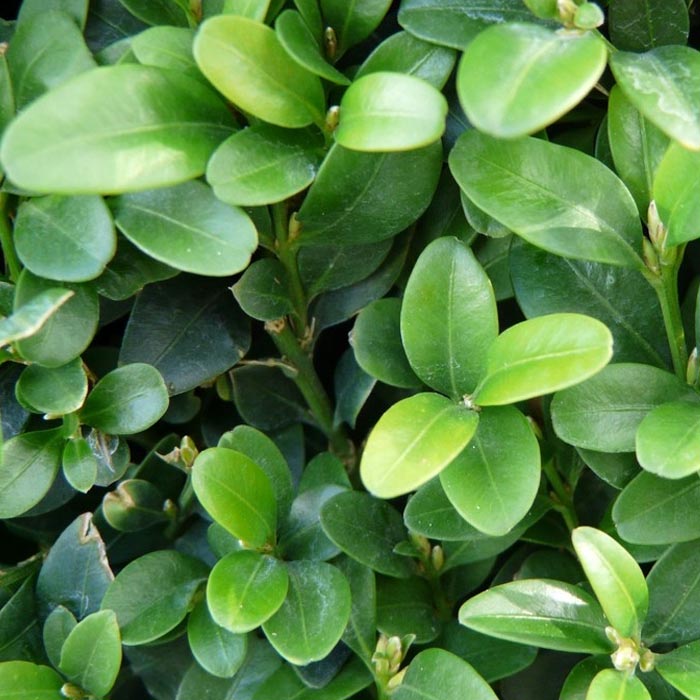
- Fine, dense foliage with small oval-shaped leaves
- Very hardy and well suited to cold Irish winters
- Compact growth makes it particularly suitable for formal hedging and topiary
- Can be grown successfully in both sunny and shaded positions
- Susceptible to Box Blight, so plants should be monitored regularly for signs of disease
Box Hedging Plants - Uses
- Fine, dense foliage makes Box particularly suitable for topiary
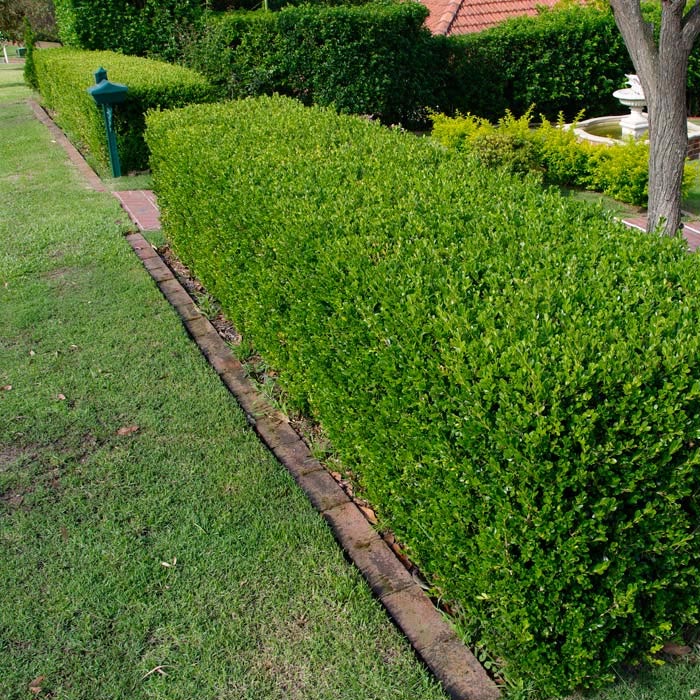
- Excellent for creating low formal hedges
- Ideal for herb gardens, parterres and formal planting beds
- Excellent for edging paths, driveways and lawns
- Useful for creating structured geometric shapes and formal garden designs
- Can be clipped into neat balls, borders and other ornamental forms
Box Hedging - Planting Instructions
Planting Time
- Plant bare root Box hedging during the dormant season from October to March.
- Avoid planting when the ground is frozen or during severe frosty conditions.
Trench Preparation
- Dig a trench approximately 1ft wide and 1ft deep.
- Add well-rotted farmyard manure to the base of the trench if required.
- Cover the manure with a light layer of soil before planting.
Positioning Plants
- Space plants approximately 20cm apart (5 plants per metre).
- Hold each plant at approximately ground level while backfilling with suitable topsoil.
- Straighten the plants and firm the soil carefully around the roots.
- Level the soil around the plants.
- Ensure the plants are evenly spaced, upright and planted in a neat line.
- Firm the soil well around each plant after planting.
- Water thoroughly after planting.
Handling the Plants
- Watering is essential both before and after planting.
- Plant the bare root plants as soon as possible after delivery.
- If planting is delayed, temporarily heel the plants into suitable soil.
- Keep the roots protected in their packaging and away from direct sunlight.
- Take care not to damage the roots, bark or buds during handling and planting.
After Care
- Water regularly until the plants are fully established.
- Water thoroughly immediately after planting.
- During prolonged dry weather, water approximately every 2 days.
- Keep the planting area free from competing weeds.
- A new hedge should be weeded at least three times during the growing season.
- We recommend weeding in March, June and September.
- Weed membrane and mulch can be used to help suppress weeds and retain soil moisture.
Pruning
- For a neat and compact Box hedge, trim approximately twice a year.
- The same principle applies when maintaining Box as topiary.
- Regular clipping encourages dense growth and helps maintain a clean, defined shape.
- Topiary shears are ideal for carefully shaping and maintaining Box plants.
Box Hedging Plants - Quick Facts
- Box is tolerant of shade and can perform well in partially shaded positions.
- Box has been used for centuries in formal gardens, parterres and topiary.
- Levens Hall in Cumbria is famous for its extensive historic Box topiary gardens.
- Birr Castle in County Offaly is renowned for its historic Box hedges and formal gardens.
- Box is traditionally associated with formal garden design because of its dense foliage and ability to tolerate regular clipping.
- Important: Box is susceptible to Box Blight, so monitor plants regularly and remove affected foliage promptly.


