


Cart is empty

Free Travel Water Bottle With Orders Over €100
Save 33%


First Dispatch Date: 9th November 2026
Irish Elder Plant - Description
- Bare Root Elder Hedging Plants
- Sambucus nigra
- Also known as Elderberry Bush, European Black Elderberry, Black Elder and Boon Tree
- Native Irish Hedging Plant
- Bare Root Plants
- Size: 2-3ft (60-100cm)
- Quantity: 10 Plants
- 2 Year Old Seedlings / Bare Root
- Recommended Spacing: 30–90cm Between Plants
- Ideal when mixed through a native hedgerow
- Important: Water well before and after planting
Irish Elder Plant - Characteristics
- Native to Ireland and commonly found in Irish hedgerows
- Fast-growing deciduous shrub which can reach approximately 3–5m when fully grown
- Loses its foliage during winter
- One of the earlier shrubs to come into leaf in spring
- Large pinnate leaves with 5–7 leaflets
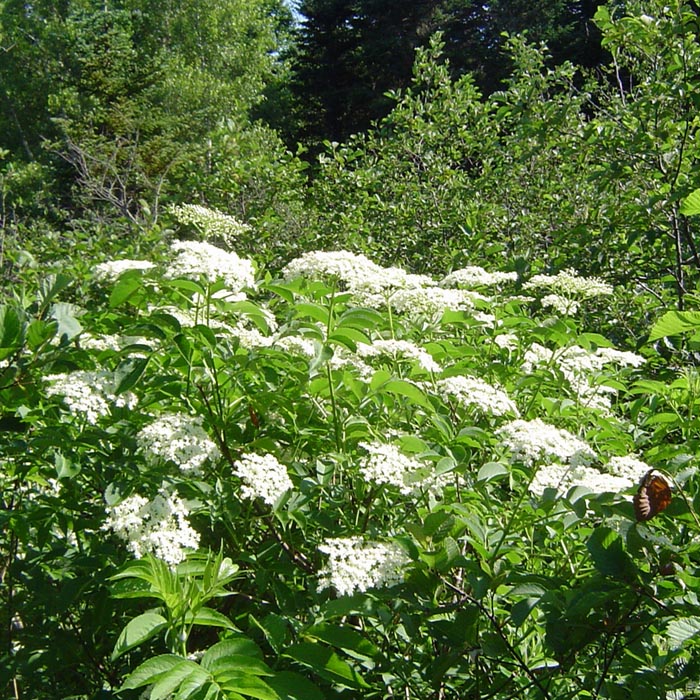
- Produces broad clusters of creamy-white flowers in June and July
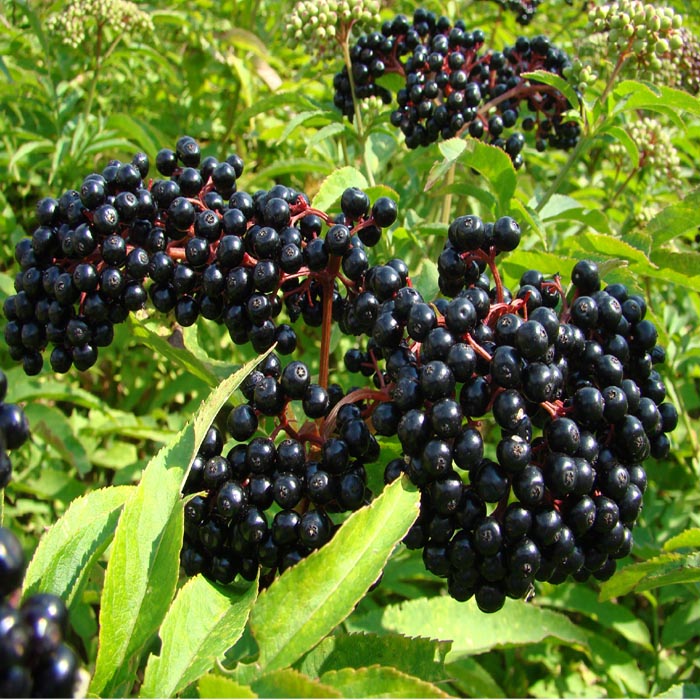
- Produces dark red to black berries from late summer into autumn
- Very hardy and well suited to cold Irish winters and hard frosts
Irish Elder Plant - Uses
- Excellent choice for native Irish gardens and traditional hedgerows
- Can be grown as a fast-growing specimen shrub
- Can be used to create an informal hedge
- Ideal for mixing with other native hedging plants to create a diverse wildlife-friendly hedgerow
- Suitable for sunny or partially shaded positions
- Adaptable to a wide range of reasonably fertile, well-drained soils
- Flowers provide a valuable source of nectar for insects
- Berries provide food for birds and other wildlife
- The flowers and berries can also be used for culinary purposes when correctly prepared
- Important: Elderberries should be cooked before consumption. Do not eat raw berries, leaves, stems or other plant parts.
Irish Elder - Planting Instructions
Planting Time
- Plant bare root shrubs during the dormant season from October to March.
- Avoid planting when the ground is frozen or during severe frosty conditions.
Trench Preparation
- Prepare a planting hole or trench approximately 2ft wide and 2ft deep.
- Add well-rotted farmyard manure to the base of the hole or trench if required.
- Cover the manure with a layer of soil before planting.
Positioning Plants
- For hedging, space plants approximately 30–90cm apart depending on the desired density.
- Position each plant at approximately the same depth as it was previously growing.
- Backfill with suitable topsoil.
- Ensure each plant is upright and firm the soil carefully around the roots.
- Level the soil around the plants.
- Water thoroughly after planting.
Handling the Plants
- Watering is essential both before and after planting.
- Plant the bare root plants as soon as possible after delivery.
- If planting is delayed, temporarily heel the plants into suitable soil.
- Keep the roots in their packaging and protected from direct sunlight.
- Take care not to damage the roots, bark or buds during planting.
After Care
- Water regularly until the plants are fully established.
- Water thoroughly immediately after planting.
- During prolonged dry weather, water approximately every 2 days.
- Keep the area around the young hedge free from competing weeds.
- Particular care should be taken with bindweed, which can quickly smother young plants.
- A new hedge should be weeded at least three times during the growing season.
- We recommend weeding in March, June and September.
- Weed membrane and mulch can be used to help suppress weeds and retain soil moisture.
Pruning
- Elder is a fast-growing plant and responds well to pruning.
- Cut back hard in March if required to encourage a denser and more compact canopy.
- Regular pruning can help maintain an attractive informal hedge.
Irish Elder - Quick Facts
- Elder is a common native plant with a long history in Irish folklore and tradition.
- Elder is an effective colonising plant and can establish readily on disturbed or bare ground.
- The hollow stems have traditionally been used to make whistles, pipes and other simple instruments.
- The flowers and berries have long been used in traditional food and drink preparation.
- The creamy-white flower clusters provide an important food source for insects.
- The dark berries are particularly valuable to birds in late summer and autumn.
- Sambucus nigra is an excellent addition to a diverse native hedgerow.


