


Cart is empty

Free Travel Water Bottle With Orders Over €100
Save 9%


First Dispatch Date: 9th November 2026
Hazel Plants - Description
- Bare Root Hazel Hedging Plants
- Bundle of 25 Plants
- Corylus avellana
- Also known as Common Hazel and Hazelnut
- Bare Root Hazel Plants - Supplied without Containers or Pots
- Size: 2–3ft (60–90cm)
- Age: 1+1 / 2 Year Seedlings
- Quantity: 25 Plants
- Recommended Spacing: 3 Plants Per Metre
- Ideal for mixing through other native hedging plants
Hazel Plants - Characteristics
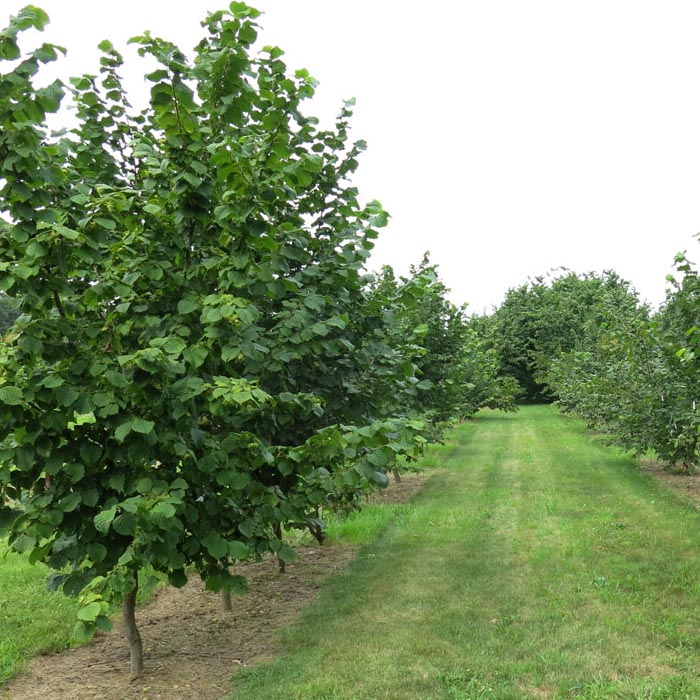
- Deciduous shrub which can reach approximately 8–15m when fully grown
- Loses its foliage during winter
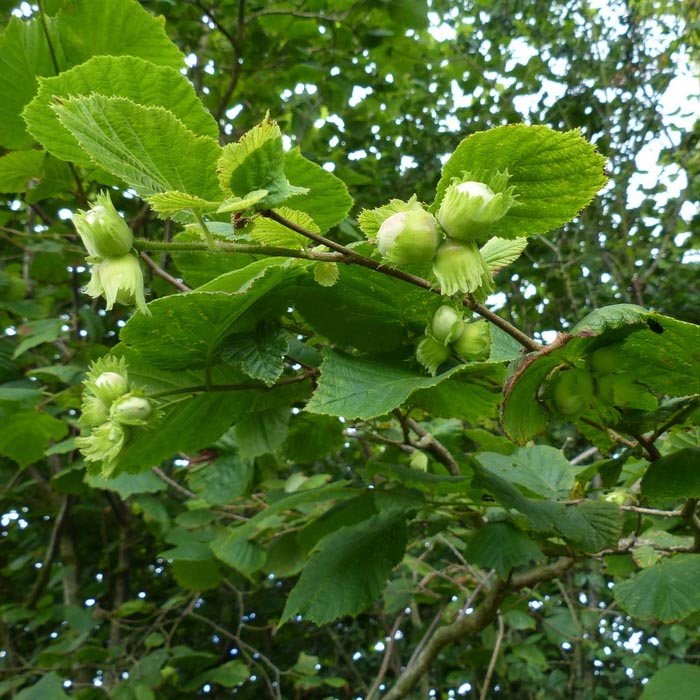
- Distinctive rounded leaves with serrated margins, pointed tips and prominent veins
- Produces recognisable male catkins, also known as "lamb's tails", in late winter and early spring
- Very hardy and well suited to cold Irish winters
- Produces edible hazelnuts from late summer into autumn when pollinated
Hazel Plants - Uses
- Excellent for creating an informal native hedgerow
- Can be planted together to create a dedicated Hazel hedge
- Ideal for mixing with other native hedging plants such as:
- Hawthorn, Holly, Blackthorn, Wild Rose and Elder
- Provides valuable shelter and habitat for birds, insects and other wildlife
- Excellent choice for wildlife-friendly gardens and naturalistic planting
- Suitable for gardens where nuts and other natural food sources are desired
- Hazel can also be grown as an individual shrub or small woodland tree
Hazel Plants - Planting Instructions
Planting Time
- Plant bare root hedging during the dormant season from October to March.
- Avoid planting when the ground is frozen or during severe frosty conditions.
Trench Preparation
- Dig a trench approximately 2ft wide and 2ft deep.
- Add well-rotted farmyard manure to the base of the trench if required.
- Cover the manure with a layer of soil before planting.
Positioning Plants
- Space plants approximately 30cm apart (3 plants per metre).
- Stagger planting positions to create a wider and denser hedge.
- Hold each plant at approximately ground level while backfilling with suitable topsoil.
- Ensure each plant is upright and firm the soil carefully around the roots.
- Level the soil around the plants.
- Water thoroughly after planting.
Handling the Plants
- Watering is essential both before and after planting.
- Plant the bare root plants as soon as possible after delivery.
- If planting is delayed, temporarily heel the plants into suitable soil.
- Keep the roots protected in their packaging and away from direct sunlight.
- Take care not to damage the roots, bark or buds during planting.
After Care
- Water regularly until the plants are fully established.
- Water thoroughly immediately after planting.
- During prolonged dry weather, water approximately every 2 days.
- Keep the planting area free from competing weeds.
- Particular care should be taken with bindweed, which can quickly smother young hedging plants.
- A new hedge should be weeded at least three times during the growing season.
- We recommend weeding in March, June and September.
- Weed membrane and mulch can be used to help suppress weeds and retain soil moisture.
Pruning
- Hazel responds well to regular hard pruning.
- Established plants can be coppiced by cutting stems back close to ground level every few years.
- This encourages vigorous new stems from the base.
- Regular coppicing helps maintain a dense and productive Hazel plant.
Hazel - Quick Facts
- Hazelnuts generally develop from late summer and can be harvested from September onwards.
- The nuts provide an important natural food source for mice, pigeons, pheasants, squirrels and other wildlife.
- Hazel can support a wide range of insect species and is valuable to native wildlife.
- Hazel is one of the most characteristic plants found in Irish woodlands and hedgerows.
- Hazel is generally not reliably self-fertile, so planting more than one compatible plant improves the chances of successful pollination and nut production.
- The male catkins release pollen in late winter and early spring, before the new leaves develop.
- Corylus avellana is an important traditional native hedgerow and woodland plant in Ireland.


