


Cart is empty

Free Travel Water Bottle With Orders Over €100
Save 17%


Bare Root Hornbeam - Description
- Bare Root Hornbeam Hedging Plants
- Carpinus betulus
- Also known as Common Hornbeam
- Large Bare Root Plants
- Quantity: 25 Plants
- Sold in Bundles of 25 Plants
- Size: 2–3ft (60–90cm)
- Age: 1+1 / 2 Year Old Transplants
- Recommended Spacing: 30cm Between Plants
- Plants supplied as Bare Root - Not in Containers
Bare Root Hornbeam - Characteristics
- Very hardy and frost tolerant
- Deciduous, but can retain some dry foliage through winter when regularly trimmed as a hedge
- Highly shade tolerant
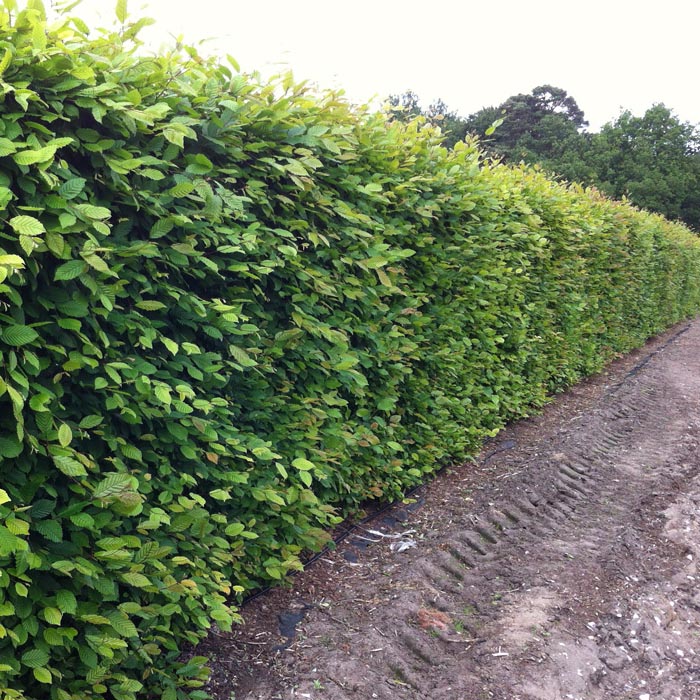
- Develops into a dense and formal hedge when regularly clipped
- Very similar in appearance and use to Beech hedging
- As a tree, Hornbeam develops a tall, upright form with a strong main stem
- Matures into a broader and more rounded tree with age
- More tolerant of heavier and wetter soils than Beech
Bare Root Hornbeam - Uses
- Excellent for creating a formal and neatly clipped hedgerow
- Fast-growing hedge suitable for privacy and garden boundaries
- Excellent alternative to Beech in heavier or wetter soils
- Can be grown individually as a specimen tree
- Suitable for planting along driveways, avenues and formal approaches
- Its naturally upright growth makes it suitable for structured landscape planting
- Can be trained and managed for pleaching
Bare Root Hornbeam - Planting Instructions
Planting Time
- Plant bare root plants during the dormant season from October to March.
- Avoid planting when the ground is frozen or during severe frosty conditions.
Trench Preparation
- Dig a trench approximately 2ft wide and 1.5ft deep.
- Add approximately 4" of well-rotted farmyard manure to the base of the trench.
- Cover the manure with a fine layer of soil.
- This prevents the manure from coming into direct contact with the plant roots.
Positioning Plants
- Space plants approximately 30cm apart.
- For a thicker hedge, stagger or alternate plants to create a double row.
- This creates a wider and denser hedge.
- Backfill with suitable topsoil.
- Ensure the base of each plant is positioned just below the soil surface.
- Firm the soil carefully around the roots.
- Level the soil around the plants.
Handling the Plants
- Watering is essential both before and after planting.
- Plant the bare root plants as soon as possible after delivery.
- If planting is delayed, temporarily heel the plants into suitable soil.
- Keep the roots protected in their packaging and away from direct sunlight.
- Take care not to damage the roots, bark or buds during planting.
After Care
- Water regularly until the plants are fully established.
- Water thoroughly immediately after planting.
- During prolonged dry weather, water approximately every 2 days.
- Keep the planting area free from competing weeds.
- A new hedge should be weeded at least three times during the growing season.
- We recommend weeding in March, June and September.
- Weed membrane and mulch can be used to help suppress weeds and retain soil moisture.
Pruning
- Trim the hedge once a year in late summer to maintain a neat and dense shape.
- Regular late-summer pruning can encourage Hornbeam to retain more of its dry foliage through winter.
- Hornbeam responds well to formal clipping and can also be trained for pleaching.
Hornbeam - Quick Facts
- Hornbeam is an excellent alternative to Beech for heavier and wetter soils.
- Carpinus betulus belongs to the birch family, Betulaceae.
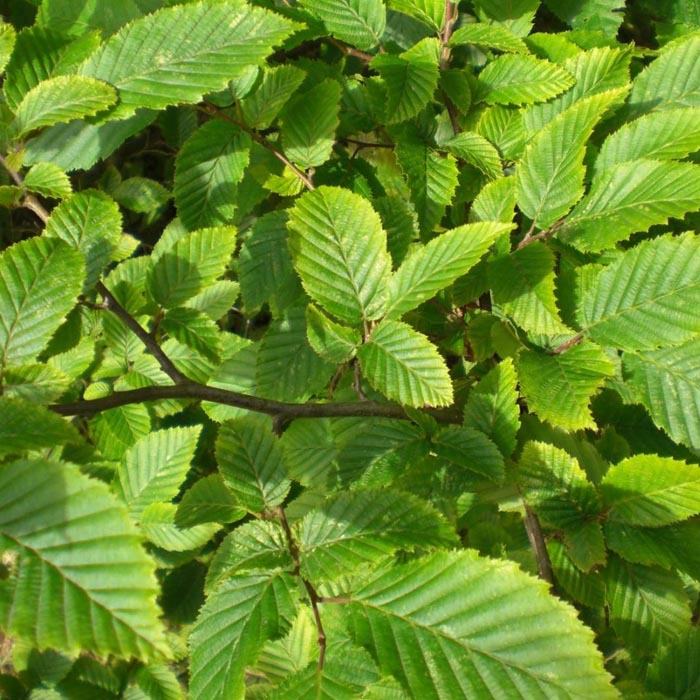
- The foliage is oval-shaped with strongly serrated margins and resembles Beech foliage.
- Hornbeam produces catkins in spring.
- The leaves develop attractive yellow to orange-brown autumn colour before falling.
- Hornbeam is highly suitable for formal hedging, pleaching and structured garden design.
- Its strong wood has traditionally been valued for its hardness and durability.


