


Cart is empty

Free Travel Water Bottle With Orders Over €100
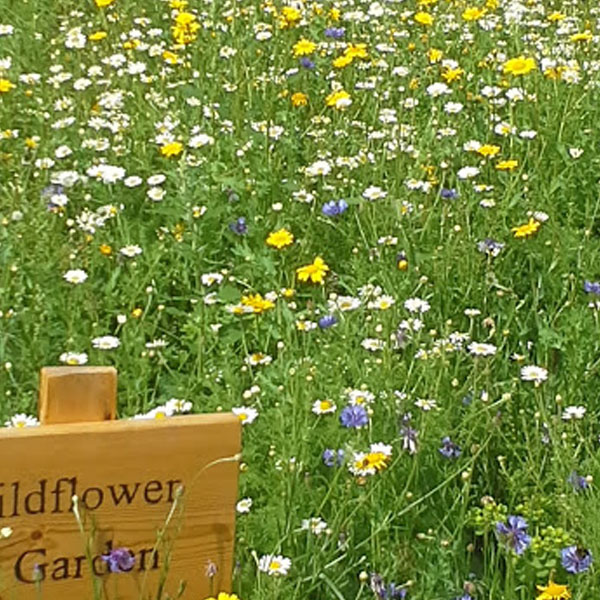
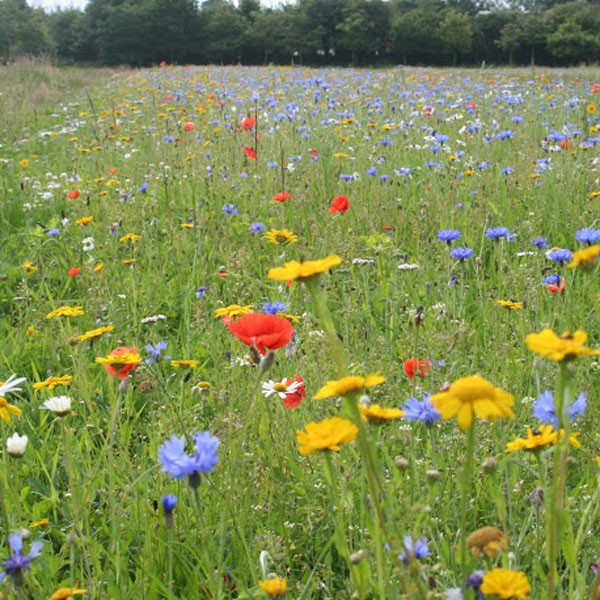



Wildflower Seeds - Description
- Special Selection of Irish Wildflowers for
- Low Maintenance
- Growing in Gardens
- Abundance of Colour
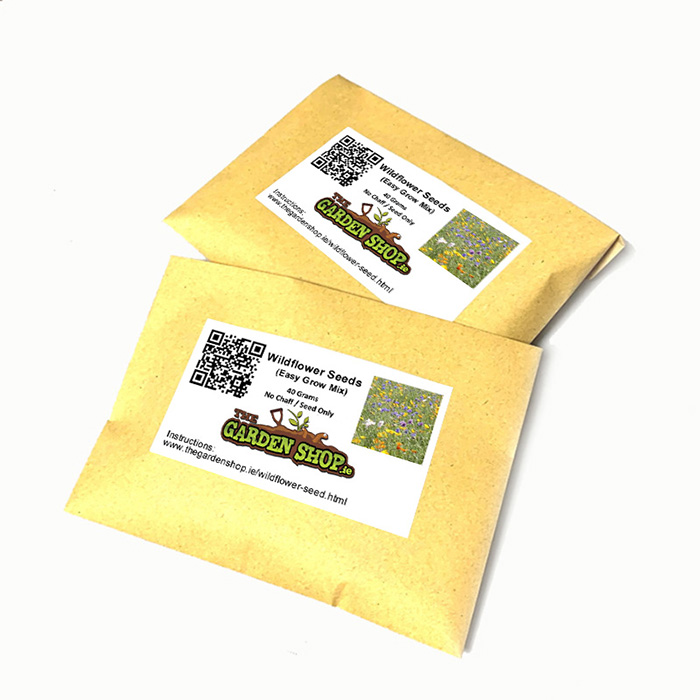
- Pack Size: 40 Grams
- Coverage:
- Full Cover: 30m2
- Light Cover: 80m2
- Meadow Gaps: 150m2
- Mix Contains Annuals, Perennials & Biennials
- This is Pure Seed (No Chaff in Seed Mix)
- Did you know All our Wildflower Seed is:
- Provenance Irish
- Native & Naturlised Wildflora
- No Imports, Varieties or Cultivars
- Nor EU Forbes Are Used in our Wildflower Seed Mixtures
- No Insecticides Used - Neonicotinoidee Free
Wildflower Seeds - Full Species List
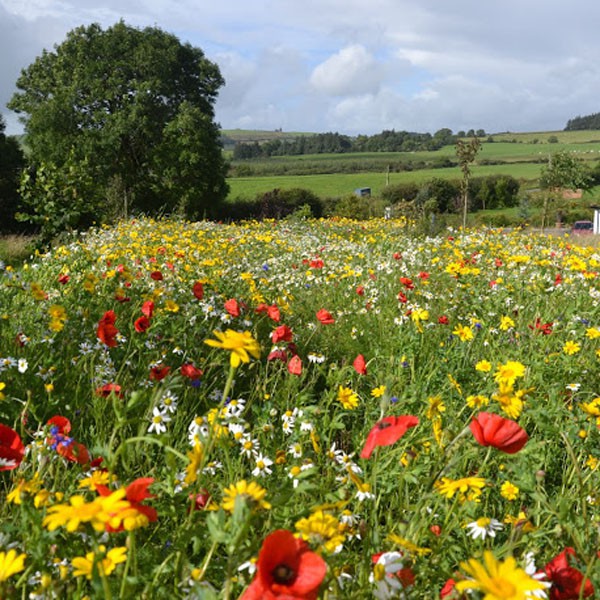
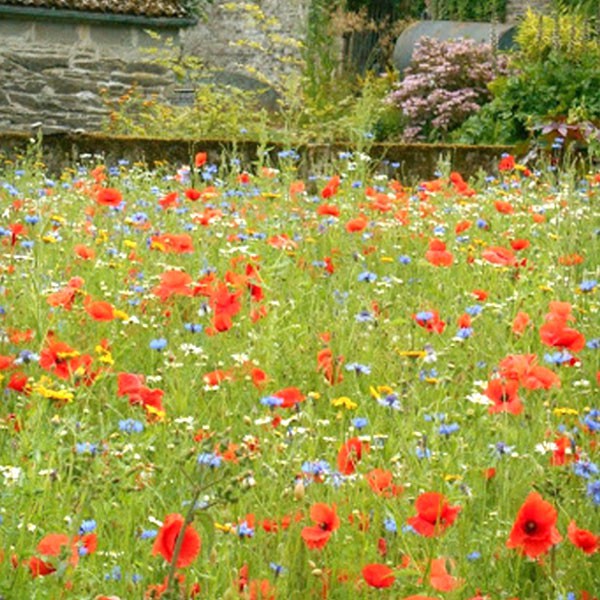
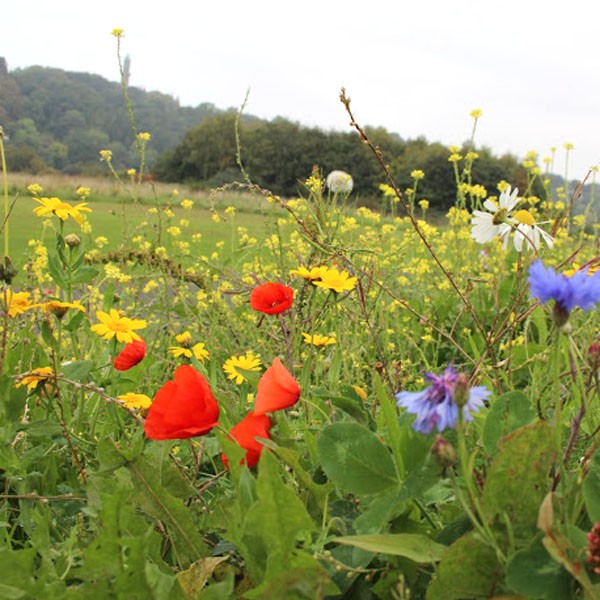
- Birdsfoot Trefoil, Black Meddick, Corn Marigold, Corn Poppy, Corncockle, Cornflower, Cowslip, Devil's Bit Scabious, Lady's Bedstraw, Lesser Knapweed, Meadowsweet, Mullien,
Ox-eye Daisy, Purple Loosestrife, Red Clover, Ribwort Plantain, Scented Mayweed, Selfheal, St Johnswort, Wild Carrot, Yarrow - Selection of wild native grasses 10%
Wildflower Seeds - Wildflower Details
- Height: Ranges from 30 - 160cm
- Flowering time: May - August
- Maintenance level: Low
- Number of cuts per year: See 'How to Grow' tab for more details
- Full Cover Sowing Rate: 1 to 1.5g per m2
- Soil Type: Suits most garden soils
- Aspect: Full Sun
Wildflower Seeds - Uses
- Designed for beginner gardeners
- Selection is ideal for small gardens
- Create a small 'wildlife area' in your garden
- Attracts a wide range of butterflies & insects
- For low maintenance garden colour
Wildflower Seeds - Advantages
- High level of annuals ensure fast growing & colourful meadow in 1st year
- Flowers from May to August
- 100% Irish grown wildflower seeds
- Added chaff for ease of sowing
- Seed choice has been careful selected for ease of growing
- Diverse range of species increases your garden's biodiversity
- Low cost Irish wildflowers
Wildflower Seeds - Basic Sowing Instructions
- First you must prepare area to be sown
- Do not sow directly into lawn, meadow or weedy soil
- Apply weed killer. 2 or 3 applications may be necessary
- Note: Please avoid chemical use in gardens as much as possible & follow organic practices to protect our wildlife
- Wildflowers grow better on soils with a lower fertility. This allows them to out compete grass
- When preparing area it's is best to NOT cultivate the area - as this will encourage further weed & grass germination
- Sow seeds between March/April & August/September
- Seeds will start to germinate 6 – 12 weeks after sowing
- Meadow will start to flower 8 – 16 weeks after first sowing
- This is Pure Seed (No Chaff in Seed Mix)
- When sowing: Sow 1 square metre at a time - walk at a fast pace tossing the seeds as you go
- Take great care to ensure an even seed distribution
- After sowing, rake seed into soil to cover them & prevent birds from eating them
- Water in seeds after sowing After sowing it is important to remove any weeds that grow
Butterfly & Bees - Specific Sowing Instructions
- Sowing rate: 1 grams per metre (This sowing rate is for pure seed / No Chaff Mix)
- This mixture includes chaff to bulk up mix & aid even distribution
Butterfly & Bees - Cutting Instructions
- Year 1: Cut once at the end of year one. Remove the cuttings at this point
- Year 2: If no grass is found growing in the meadow, then just cut again once, in October
- If grass is strong, then cut the meadow back 3 times in the 2nd year. Cut to approx. 8 to 15cm in height
- This will prevent your wildflowers from being smothered out by the grass
- You can add yellow rattle to the meadow in year two (see gap creation)
- Year 3: This year the colour in the wildflower meadow will be muted as the perennials still need to establish
- Cut the same way as in year 2. If grass is strong, cut meadow 3 times. Cut in April, July & again in September
- Year 4: From this point onwards, only cut the meadow once a year in Autumn
Butterfly & Bee Mix - Maintenance
- Gap creation: Each year you should consider gap creation
- This is basically exposing bare soil throughout the meadow and re-seeding these areas to encourage a more dense floral display
- You can re-seed with seeds you collected from the previous year or buy more seeds
- Yellow rattle is the best choice for gap creation as it aids meadow establishment
- If grasses are taking over, then heavier clumps of grass should be spot weeded out
- If the grass growth is slow then you will only need to cut the meadow once each year in August or September
- Ideally wait for flower heads to die back to maximise the number of seeds harvested at time of cutting


