


Cart is empty

Free Travel Water Bottle With Orders Over €100
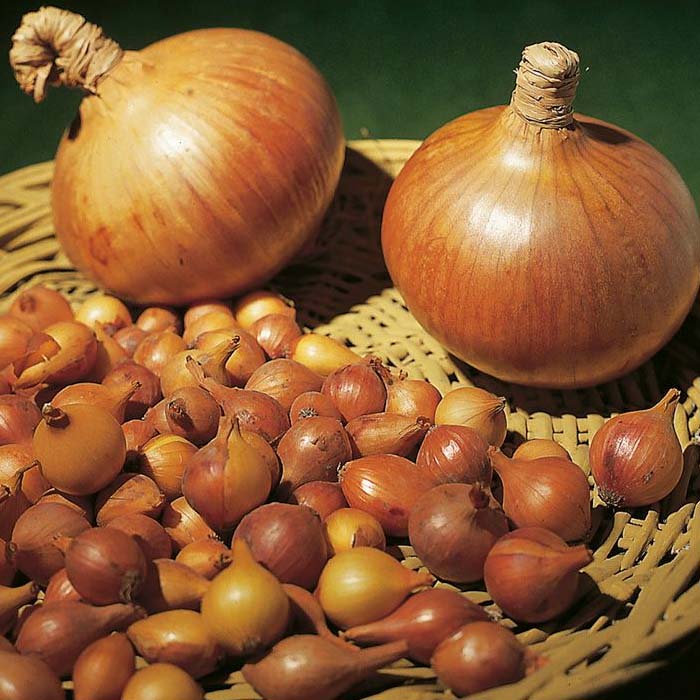

Onion Sets - Description
- Onion Sets
- Variety: Sturon
- Allium Cepa
- Colour: Traditional Yellow Onions
- Size: 75 Sets
- Yellow Flesh & Smooth Brown Skin
- Set Size: 14/21mm
- Produces Medium Sized, Globe Shaped Bulbs
- Can Sow Close Together for Green Bunching Onions
- RHS Award of Garden Merit Winner
- Bolt Resistant
- Stores Well
Onion Sets - Sowing Instructions
- Main crop onion
- Sow: Mid March or earlier under cover
- Sowing location: Light, sandy soil in an open, sunny site
- Preferably dug & manured the previous Autumn
- Spacing: Rows 30cm apart with sets spaced 10cm apart
- Depth: Place sets, pointed end up, just below the soil surface
- The tip of the set should lie just under the soil
- Harvest after 22 weeks, once foliage turns yellow; water crop & lift slightly with garden fork
- Harvest crop 2 weeks later in sunny weather
Onion Sets - Uses
- Suitable for fresh market
- Bunching or normal large onions
- Perfect for cooking
Onion Sets - Advantages
- No thinning required
- Less likely to bolt than if grown from seed
- Versatile: Can be grown close together for green bunching onions or spaced for large onions
- Low cost
- More reliable than if grown from seed
- Less likely to be attacked by the onion fly than those grown from seed
- Great companion plant for carrots to deter pests like carrot fly
Index
- Sowing Instructions
- Crop Maintenance
- How to Harvest
- Storage
- Pests & Diseases
Sowing Instructions
- Sowing time: From mid March, assuming frost has passed
- Sowing Location: Sow direct into rows
- Sow 1 set every 10cm
- Alternatively sow them every 5cm & thin later
- The closer you sow your onion sets the smaller your harvested onions will be
- Prepare soil prior to sowing, dig & manure your soil the previous autumn if possible
- A sunny site with good drainage is ideal
- To sow simply push the set into the soil
- Sowing depth: onion set's tip should be just below soil surface
- Space rows 15cm apart
Crop Maintenance
- Keep moist
- Weed regularly during summer months
- Check sets early to see if birds have lifted them from the soil
- If so, simply re sow them
- Apply a general fertilizer if needed and rake the surface on a dry day
- If your soil is a heavy clay it is recommended that you improve you soils drainage
- Alternatively place a small amount of horticultural grit beneath seeds prior to sowing
Harvesting
- Harvest when the bulbs have swollen and when the stems turns yellow and falls over
- Using a garden fork, slightly lift the onions in their position. lift to snap the onion's roots preventing further growth
- Leave for 14 days and carefully remove on a dry day
- You can speed up the process by bending and tieing the stems once they start to yellow
- On a dry day lift your onions and place them out in the sun
- Depending on the size of your onions and weather conditions it can take up to 4 weeks for the onions to dry
Storage
- Consume any damaged bulbs first
- Short term storage in the fridge
- Can be stored for up to 7 months in a cool dry place
- You can also tie up your bulbs using their own stems or some cord
Pests & Diseases
- Bird attack is most likely the biggest threat to onions
- Netting should be used to protect against birds that pull up roots
- Other pests and diseases include: Onion fly, root fly, bolting and downy mildew


