


Cart is empty

Free Travel Water Bottle With Orders Over €100
Save 42%
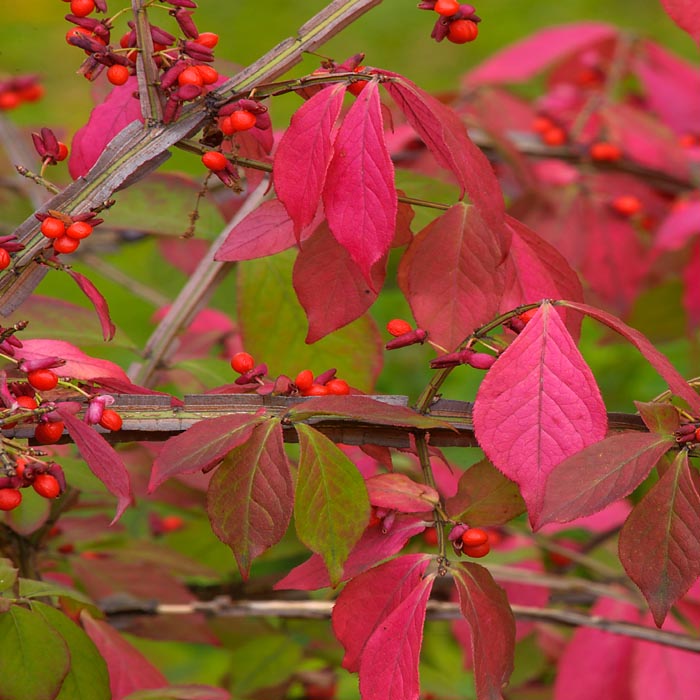
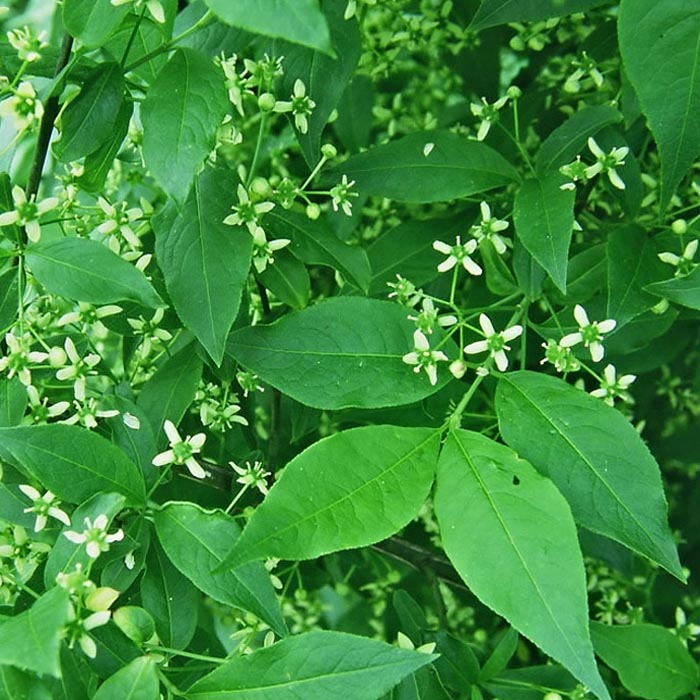
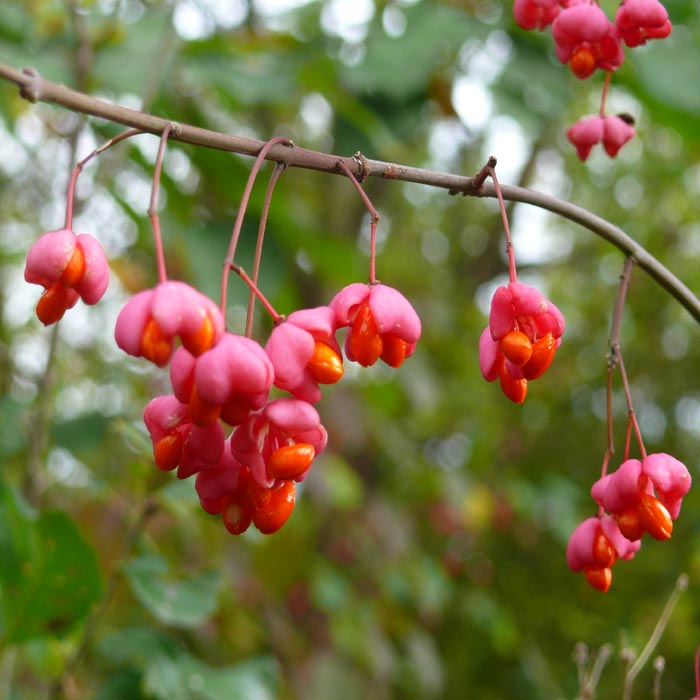
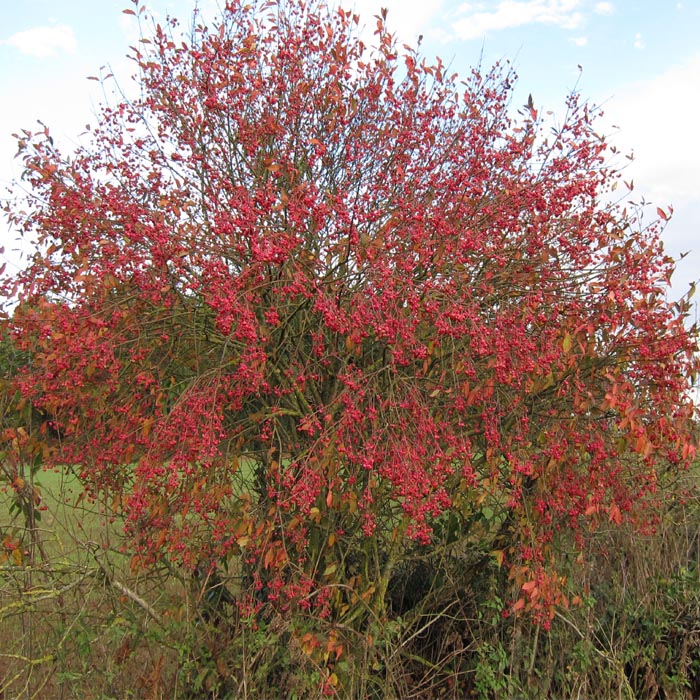


Bare Root Spindle Tree - Description
- Bare Root Native Spindle Trees
- Common Spindle / European Spindle
- Euonymus europaeus
- Small Tree or Shrub
- Excellent Autumn Colour
- Quantity: 1 Tree
- Form: Single Stemmed Whip
- Current Tree Size: 100-125cm
- Girth: 3cm
- Plant Age: 2 years
- Form: Bare Root
- Supplied without a Container or Pot
Spindle Tree - Characteristics
- Native deciduous shrub or small tree with an upright and branching habit
- Can develop multiple stems from the base if allowed to grow naturally
- Long, narrow oval-shaped green leaves during spring and summer
- Foliage develops striking fiery red and pink tones from late summer into autumn
- Produces small greenish-yellow flowers from May to June
- Distinctive pink-red fruits open in autumn to reveal bright orange seeds
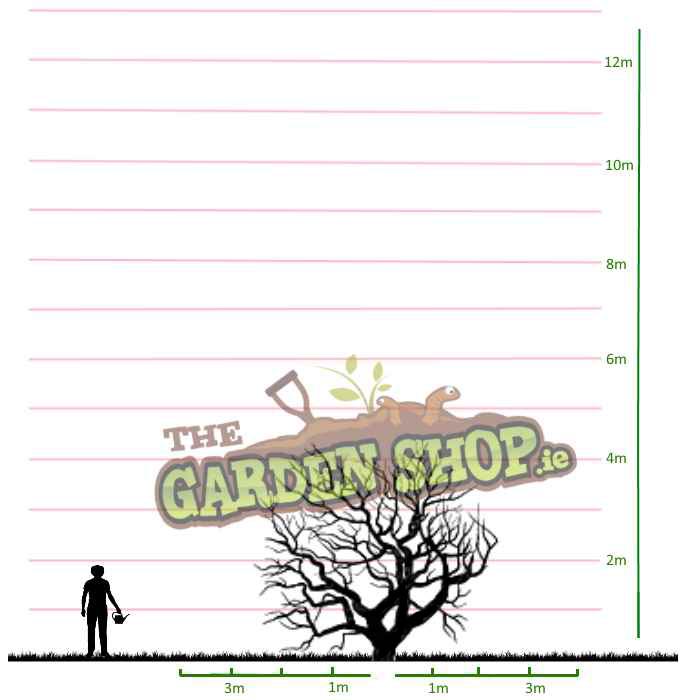
- Can reach approximately 4m in height and 2.5m in spread when fully mature
- Moderate growth rate
- Very hardy and well suited to Irish gardens
- Provides valuable food and shelter for wildlife
Spindle Tree - Uses
- Excellent choice for its spectacular autumn foliage and colourful fruits
- Suitable for small, medium and larger gardens
- Ideal towards the back of flower borders and mixed planting areas
- Well suited to woodland margins and naturalistic planting schemes
- Can be incorporated into an informal native-style hedgerow
- Excellent for wildlife and nature gardens
- Provides strong seasonal interest after many summer plants have finished flowering
Spindle Tree - Planting Instructions
Planting Time
- Bare root trees should be planted during the dormant season from October to March.
- Plant as soon as possible after receiving the trees.
- Avoid planting when the ground is frozen or during severe frosty conditions.
Positioning Trees
- Position in full sun or partial shade for the best autumn colour.
- Choose fertile, well-drained or moderately moist soil.
- Spindle is adaptable to a range of soil types and pH levels.
- For hedging, space plants approximately 30cm apart.
- For individual landscape planting, allow approximately 3–5m between trees depending on the desired effect.
- Position each tree at approximately the same depth as it was previously growing.
- Backfill with suitable topsoil and firm the soil carefully around the roots.
- Ensure each tree is upright and level off the soil around the base.
- Water thoroughly after planting.
- Support young trees with a suitable stake and tree tie while they establish.
After Care
- Water thoroughly before and after planting.
- Water regularly during the first growing seasons until the plants are established.
- During prolonged dry weather, water approximately every 2 days.
- Keep the planting area free from competing weeds, particularly bindweed.
- Keep grass growth away from the base of young trees to reduce competition.
- Weed membrane and mulch can be used to suppress weeds and retain soil moisture.
- Avoid strimming or mowing directly around the base of young trees.
- Check stakes and ties regularly and adjust them as the tree grows.
Training as a Tree
- If a single-stemmed tree is required, select the strongest upright shoot as the main leader.
- Remove competing basal shoots gradually to encourage a clear main stem.
- Stake the main leader while it establishes to encourage straight growth.
- Do not remove large amounts of growth at once; gradual training produces a better-shaped tree.
Euonymus europaeus - Quick Facts
- The common name Spindle comes from the traditional use of its exceptionally hard wood for making wool-spinning spindles.
- The wood is extremely hard and fine-grained.
- The distinctive autumn fruits are one of the plant's most attractive features.
- The orange seeds inside the pink-red fruits provide food for birds and other wildlife.
- Spindle is an important native hedgerow and woodland-edge plant.
- The plant and particularly its fruits are toxic if eaten and should not be consumed by people or livestock.
- Spindle can attract aphids, including blackfly, particularly on young shoots.


