


Cart is empty

Free Travel Water Bottle With Orders Over €100


First Dispatch Date: 9th November 2026
Wild Rose - Description
- Bare Root Wild Rose Plants
- Rugosa Rose
- Rosa rugosa
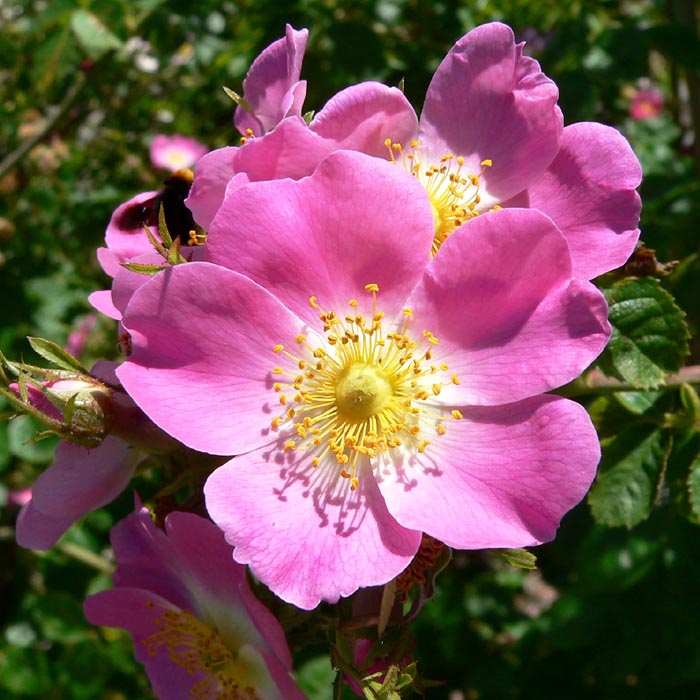
- Flower Colour: Pink
- Common Names: Rugged Rose, Rugosa Rose, Bush Rose
- Deciduous flowering shrub
- Current Plant Size: 1–2ft (40–60cm)
- Plant Age: 1 Year Old
- Form: Single Stem Whip
- Quantity: 25 Plants
- Form: Bare Root
- Supplied without a Container or Pot
- Recommended Spacing: 30–60cm Apart
- Excellent when mixed through a native-style hedgerow
Wild Rose - Characteristics
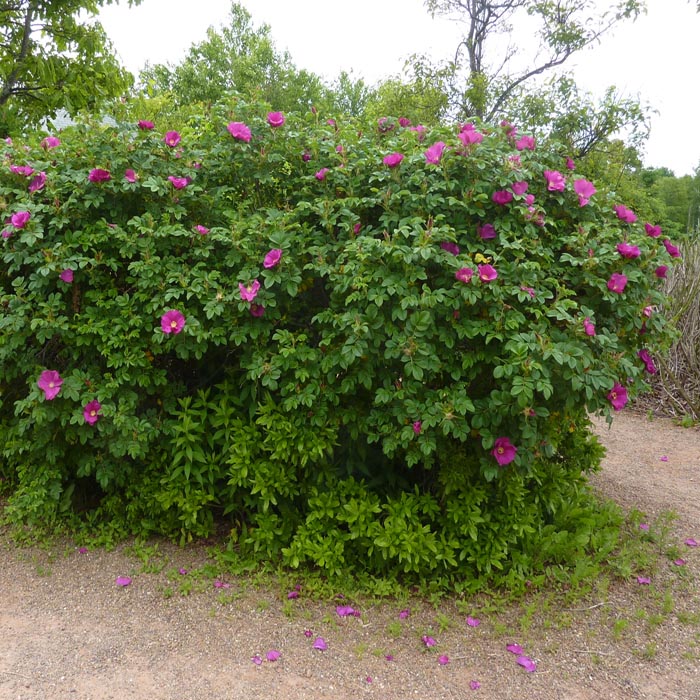
- Vigorous deciduous shrub with an attractive spreading habit
- Dark green pinnate foliage with 5–7 strongly textured and corrugated leaflets
- Produces attractive pink, cup-shaped flowers from early summer through to autumn
- Flowers have distinctive crinkled petals and a prominent central cluster of stamens
- Flowers are followed by attractive red-orange rose hips
- Rose hips provide valuable food for birds and wildlife during autumn and winter
- Hardy shrub capable of tolerating cold winters and hard frosts
- Can grow approximately 60cm or more per year once established in suitable conditions
- Can reach approximately 2m tall with a spread of around 1.2m
- Thorny stems make it useful for creating natural boundaries and informal screening
Wild Rose - Uses
- Excellent choice for informal hedging and naturalistic planting
- Useful as a thorny boundary plant and wildlife hedge
- Can be mixed with other native and wildlife-friendly species to create a diverse hedgerow
- Ideal for cottage gardens, country gardens and wildlife areas
- Attractive pink flowers provide strong seasonal interest
- Rose hips provide an important autumn and winter food source for birds
- Suitable for sunny positions and a range of reasonably well-drained soils
- Excellent plant for attracting pollinating insects and other garden wildlife
Wild Rose - Planting Instructions
Planting Time
- Bare root Wild Rose should be planted during the dormant season from October to March.
- Plant as soon as possible after receiving the plants.
- Avoid planting when the ground is frozen or during severe frosty conditions.
Trench Preparation
- For hedging, prepare a suitable planting trench approximately 30cm wide and 30cm deep.
- Incorporate well-rotted organic matter or farmyard manure into the planting area where appropriate.
- Cover organic matter with a layer of soil before positioning the roots.
- Remove competing perennial weeds before planting.
Positioning Plants
- For hedging, space plants approximately 30–60cm apart.
- Position each plant at approximately the same depth as it was previously growing.
- Backfill with suitable topsoil and firm the soil carefully around the roots.
- Ensure each plant is upright and level off the soil around the base.
- Water thoroughly after planting.
Handling the Plants
- Water the plants thoroughly before and after planting.
- Plant bare root plants as soon as possible after delivery.
- If planting is delayed, temporarily heel the plants into suitable soil.
- Keep the roots protected in their packaging and away from direct sunlight.
- Take care not to damage the roots, stems or buds during handling and planting.
After Care
- Water regularly until the plants are fully established.
- During prolonged dry weather, water approximately every 2 days.
- Keep the planting area free from competing weeds, particularly bindweed.
- Weed regularly during the first growing seasons while the hedge establishes.
- Weed membrane and mulch can be used to suppress weeds and retain soil moisture.
- Avoid strimming or mowing directly around the base of young plants.
Pruning
- Prune established plants after flowering to maintain the desired size and shape.
- Lightly reduce vigorous stems where necessary to maintain a compact hedge.
- Remove approximately one-third of older growth when required to encourage fresh new stems.
- Remove dead, damaged or weak growth during routine maintenance.
- Deadheading can encourage further flowering during the growing season.
- Allow some flowers to develop into rose hips towards the end of summer to provide food for birds during autumn and winter.
Wild Rose - Quick Facts
- Rugosa means rugged or wrinkled, referring to the strongly textured foliage.
- The corrugated leaves are one of the most distinctive features of the plant.
- The pink flowers are followed by attractive red-orange rose hips.
- Rose hips are valuable for wildlife and provide autumn and winter food for birds.
- The thorny growth makes Rugosa Rose particularly useful for natural boundaries and wildlife hedging.
- Although originally native to eastern Asia, Rosa rugosa is widely cultivated and naturalised in many parts of Europe.
- Its vigorous growth and ability to sucker mean it should be given sufficient space to develop.


