


Cart is empty

Free Travel Water Bottle With Orders Over €100
Save 65%



Bare Root Willow Tree - Description
- Native Irish Bare Root Willow Tree
- Goat Willow / Pussy Willow
- Salix caprea
- Fast Growing Medium-Sized Tree
- Quantity: 1 Tree
- Form: Single Stemmed Whip
- Current Tree Size: 150-175cm
- Girth: 2cm
- Plant Age: 1 Year Old (0 + 1 Hardwood Cutting)
- Form: Bare Root
- Supplied without a Container or Pot
Willow Tree - Characteristics
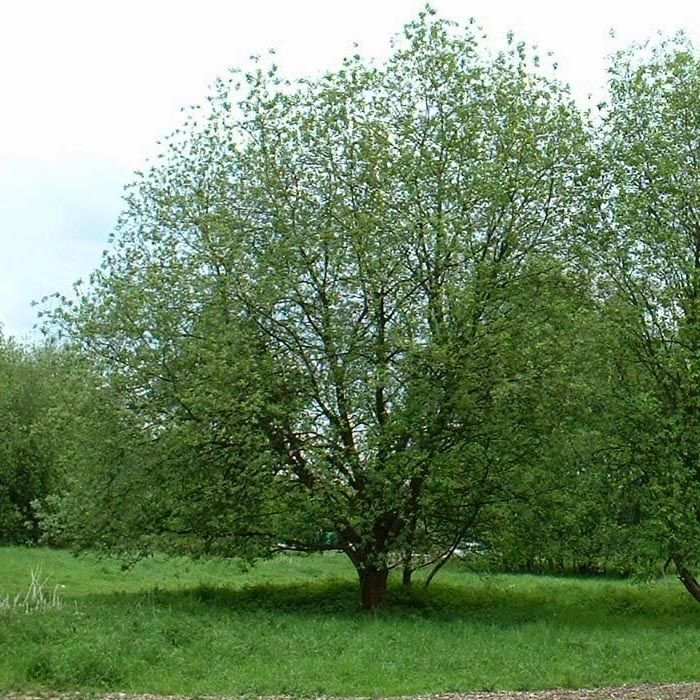
- Native deciduous tree that can develop into a small tree or multi-stemmed shrub
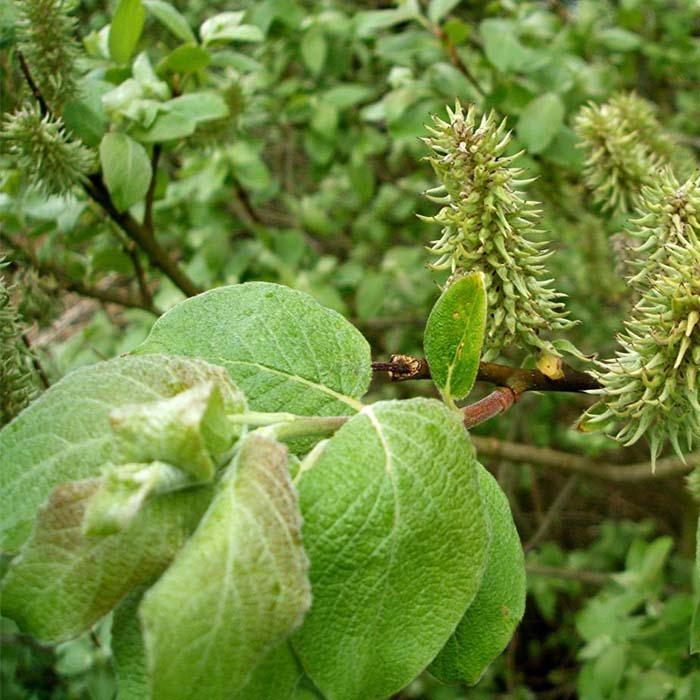
- Oval-shaped light green leaves with attractive greyish-silver undersides
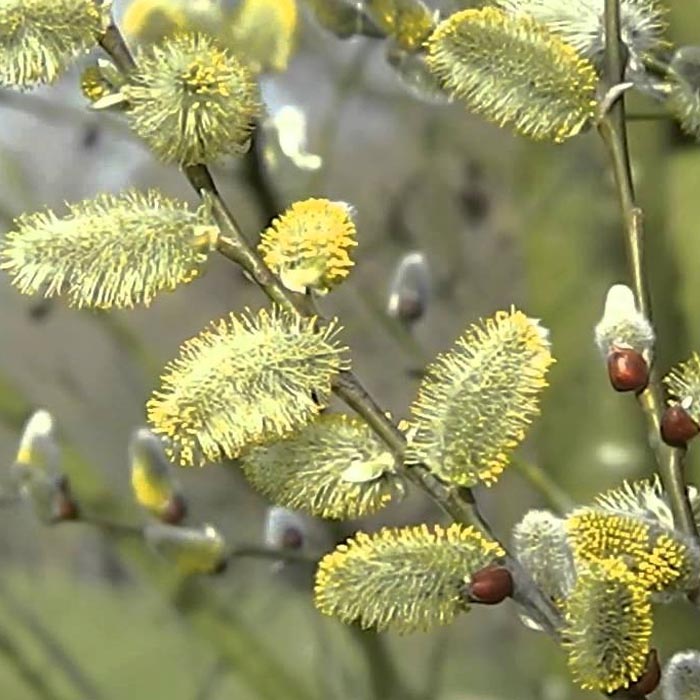
- Produces distinctive silky catkins from March to April
- Can reach approximately 12m in height and 8m in spread when fully mature
- Fast-growing once established
- Very hardy and well suited to Irish growing conditions
- Particularly well suited to damp and wet soils
- Male and female flowers occur on separate plants
Willow Tree - Uses
- Suitable for medium and large gardens
- Excellent for planting beside streams, rivers, ponds and other damp areas
- Useful for naturalistic and wildlife-friendly planting schemes
- Young willow stems can be used for living structures, woven features and garden ornaments
- Willow can be used for creating living fences and screens
- Suitable for exposed and coastal locations where conditions are appropriate
- Early catkins provide an important food source for bees and other pollinating insects
Willow Tree - Planting Instructions
Planting Time
- Bare root trees should be planted during the dormant season from October to March.
- Plant as soon as possible after receiving the trees.
- Avoid planting when the ground is frozen or during severe frosty conditions.
Positioning Trees
- Position in full sun or partial shade.
- Willow performs particularly well in damp or wet ground.
- Choose a sheltered position where possible.
- Willows are naturally associated with riverbanks, streams and wetland areas.
- For hedging or living willow planting, space plants approximately 30cm apart.
- For individual landscape planting, allow considerably more space for mature growth.
- Position each tree at approximately the same depth as it was previously growing.
- Backfill with suitable topsoil and firm the soil carefully around the roots.
- Ensure each tree is upright and level off the soil around the base.
- Water thoroughly after planting.
- Support young trees with a suitable stake and tree tie while they establish.
After Care
- Water thoroughly before and after planting.
- Water regularly until the trees are fully established.
- During prolonged dry weather, water approximately every 2 days.
- Keep the planting area free from competing weeds, particularly bindweed.
- Keep grass growth away from the base of young trees to reduce competition.
- Weed membrane and mulch can be used to suppress weeds and retain soil moisture.
- Avoid strimming or mowing directly around the base of young trees.
- Check stakes and ties regularly and adjust them as the trees grow.
Salix caprea - Quick Facts
- Salix caprea is commonly known as Goat Willow or Pussy Willow.
- The distinctive spring catkins are an important early-season food source for bees and other insects.
- Willow is particularly easy to propagate from suitable cuttings.
- Willow bark contains naturally occurring salicin, a compound historically associated with pain relief.
- Willows support a wide range of insects and other wildlife.
- Willow species are traditionally associated with damp ground, riverbanks and wetland habitats.


