


Cart is empty

Save 13%



Yellow Stemmed Dogwood - Description
- Bare Root Yellow Stemmed Dogwood Plants
- Cornus sericea 'Flaviramea'
- Bare Root Plant
- Size: 2-3ft (60 - 100cm)
- 2 Year Old ( 0+1 /1 yr trpl)
- Bare Root Plant
- Quantity: 10 Plants
- Spacing Distance: From 2-3ft Apart
- Mix With Red Stem Dogwood or White Stemmed Betula Jacquemontii Also
Delivery - Important Note - Please Read
- We can only deliver orders of this product by Fastway couriers
- Please do not choose DPD as your courier for orders containing this item
Yellow Stemmed Dogwood - Characteristics
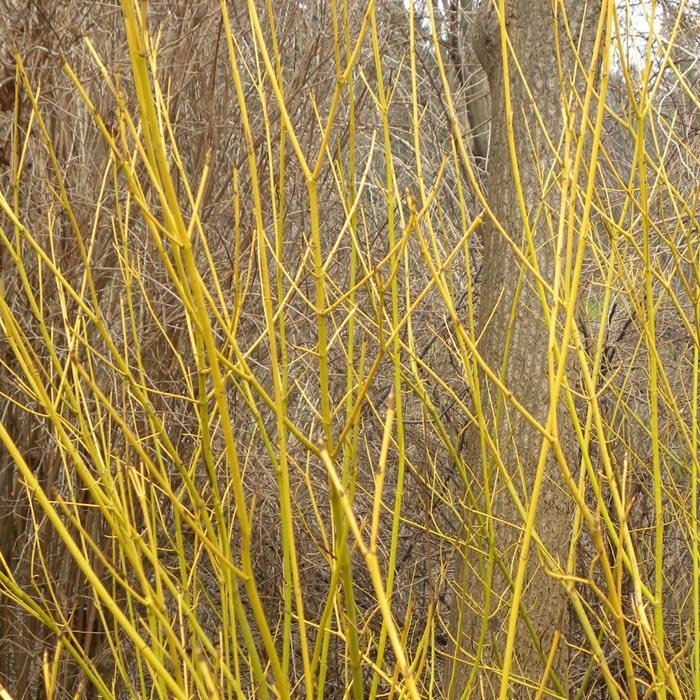
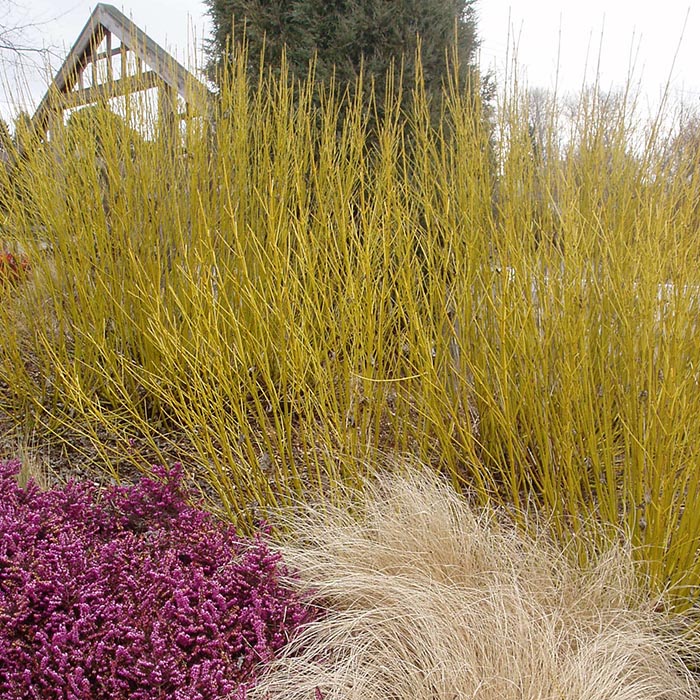
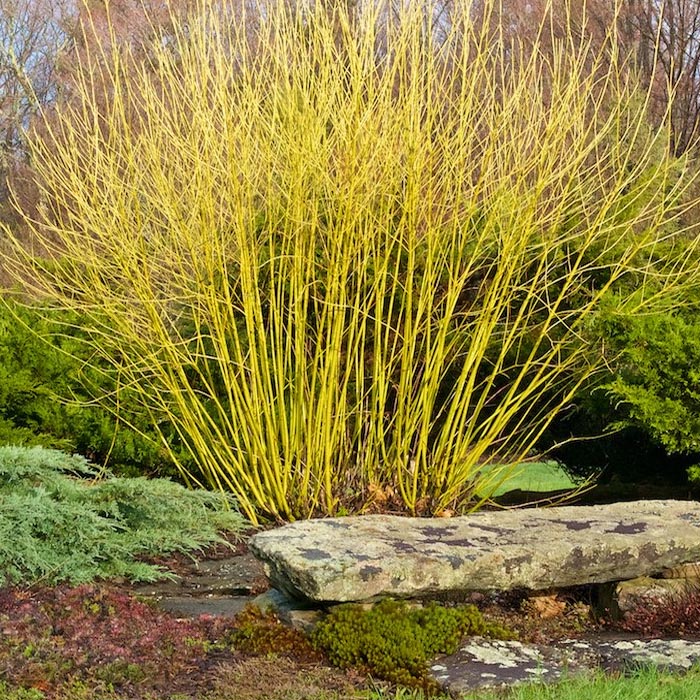
- Shrubby dogwood - grown for its yellow Winter stems
- Mature size: 2.5m tall & 4m wide
- Deciduous shrub, they lose their leaves in Winter
- This exposes the shrub's vibrant yellow stems
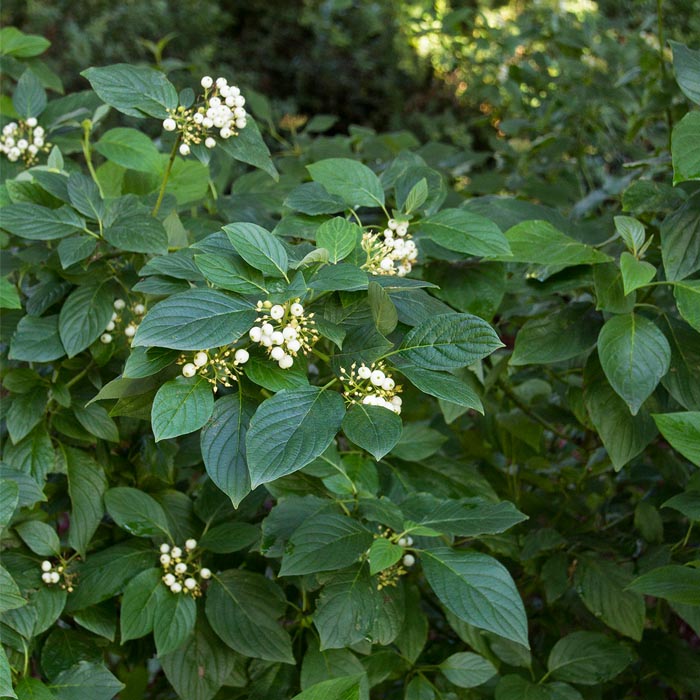
- Foliage - Oval shaped leaves, green in Summer, yellow in Autumn
- Moderate to fast growth rate
- Flower - Cream in Summer
- A hardy plant - Able for cold winters
Yellow Stemmed Dogwood - Uses
- Often found at motorway junctions, these plants are used for their distinctive yellow stems
- Plant en mass for best results
- Block plant or plant in sweeps through red stemmed dogwood
- Under-plant white stemmed birch trees for great Winter colour
- Or plant each plant on it's own & grow as a specimen plant
- Not suitable for small gardens
Dogwood Plants - Planting Instructions
Sowing Time
- Bare root planting is planted in the dormant season - October to March
- Avoid frosty conditions, where the ground is frozen
Trench Preparation
- Dig planting hole approx. 1ft wide & 1ft deep
- We suggested adding farm yard manure to base of the trench
- Lightly cover the manure with a layer of soil
Positioning Plants
- For hedging, space plants 30-90cm apart
- Stagger planting positions for a denser hedge
- When planting - hold plants at ground level & back fill the top soil
- Ensure each plant is straight & soil is compacted in around it's root ball
- Level off the soil around the plants
- Note: Cornus is often planted in 3 layers to allow for hard cutting back of one layer every season
Handling the Plants
- Be sure to water both before & after planting
- When plants arrive, plant them straight away
- If you are unable to plant straight away - then 'heel them in' temporarily
- Keep plant's roots in their bag & avoid exposure to sun light
- Take care not to damage roots, bark & buds
After Care
- Water bare roots plants regularly until plants establish
- Water before & after planting
- If dry weather persists, water every 2 days
- Weeding is also essential - especially bind weed which can quickly smoother a young hedge
- A new hedge will need to be weeded at least 3 times over the growing season
- Weed in March, June & September
- We recommend using weed membrane & mulch to control weeds
Pruning
- Dogwood require maintenance as they need regular cutting back
- They spread up to 4m so will need to be kept in check
- They develop underground shoots which leads to lateral growth
- Not suitable for small gardens
- Prune back hard every 3 years
- This will encourage the growth of fresh yellow stems & reduce number of old dull stems
- Don't prune in the 1st year
- Prune back to about 1ft above ground level every 3 years
- Prune in February/March
- If you plant in layers, you can cut back one layer each year
- This will give a good show of yellow stems - without loosing screening
Dogwood - Quick Facts
- The wood of Dogwood is very hard
- It was used for arrows, charcoal & gunpowder
- The word 'Flaviramea' comes from 'Flavus' meaning yellow, gold or blonde
- It is the young, new stems of dogwood which are bright yellow
- This is a natural defense against sunlight
- Other plants with interesting barks
- Willow, Paper Bark Birch, Prunus Serulla, Acer Griseum, Arbutus, Betula Utilis


