Cart is empty

Save 44%

Parsnip Seeds - Description
- Variety: Tender & True Parsnip Seeds
- Packet Size: Approx. 200 Seeds
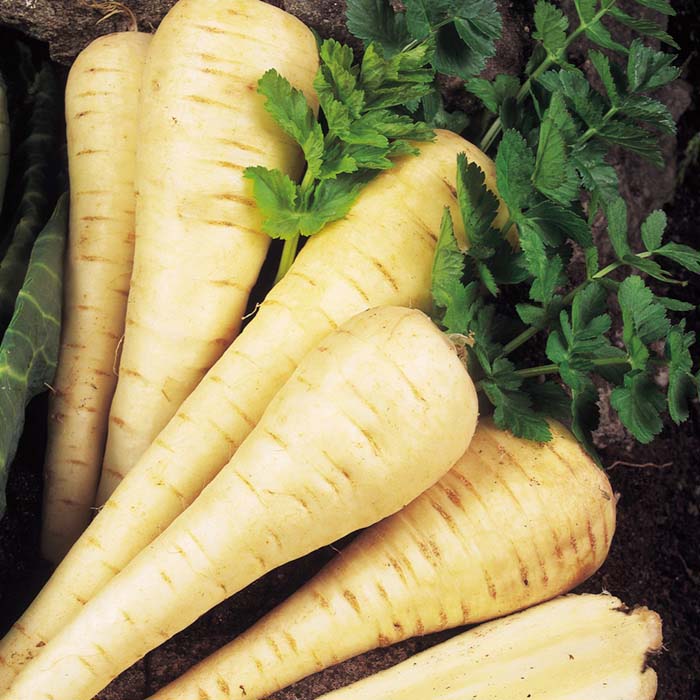
- Produces Thick Pointed White Root
- RHS Award of Garden Merit Winner
- Variety: White Spear
- Large Roots, High Yields
- Suitable for a Winter Harvest
- Long Roots with Little Core
Parsnip Seeds - Sowing Tips
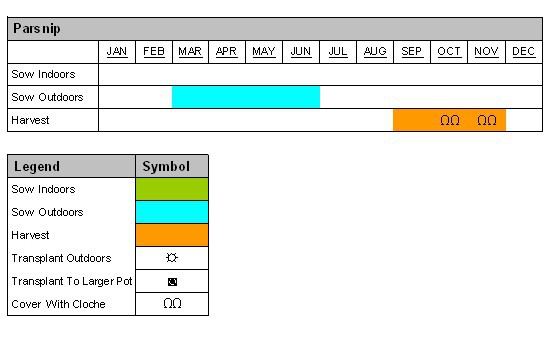
- Sow: March to June
- Harvest: Late September onwards
- Can harvest through to Feb
- Neutral or alkaline soil is best
- A rich heavy soil will give strong, well shaped parsnips
- See how to grow tab for full growing instructions
Parsnip Seeds - Uses
- Great for home cooking
- Suitable for resale
Parsnip Seeds - Advantages
- The parsnip Variety White Spear are award winning Parsnips
- Packs lots of flavour
- Low cost
- Very easy to grow, requires little attention
- Can pick when required or in bulk
- A great winter vegetable
- Good disease resistance
Index
- Sowing Instructions
- Crop Maintenance
- How to Harvest
- Storage
- Pests & Diseases
Sowing Instructions
- Sowing time: Sow from March to June
- Stagger sowing times for a continual harvest
- Can be sown undercover from early February using a garden cloche or green house
- Sowing Location: Sow direct in rows on vegetable plot
- Prepare drills 1cm deep, spacing drills 25cm apart
- Sow as thinly as possible to reduce the need to thin out later
- Can sow three seeds every 15cm and thin later
- Parsnips can be slow to germinate
- If thinning is required, do so once seedlings develop their first true leaves
- This minimizes competition and allows for faster growth
- Keep rows well weeded using a garden hoe every two weeks
Crop Maintenance
- Soil: Prefers a position in full sun or partial shade
- Soil should be deep, light, free draining, similar to carrots
- Heavy clay soils are not suitable – improve by added sufficient well rotted farmyard manure or horticultural grit
- Start digging over soil in late winter or early spring
- Aim to achieve a fine crumbly texture
- When cultivating remove all weeds, roots, rocks and small stones
- Fresh manure and small stones can cause parsnip roots to split
- Do not add manure as it can make the soil too rich for the seeds
- Sand will add drainage so mix seeds with a handful
- Make sure to keep moist
Harvest your Parsnips
- Parsnips take longer to mature than most other crops
- Around 28 weeks is required from date of sowing seeds
- This is why starting seed under cover in February is sometimes done
- From Late September onwards parsnips can be harvested, once the foliage begins to die back
- Water well one week before lifting
- Use a garden fork to lift roots from soil
How to Store Parsnips
- Parsnips store best in the ground over the winter
- Alternatively place parsnips in a wooden box in sand, prevent any light reaching roots
- Allow good air flow and store in a cool, dry place
Pests & Diseases for Parsnips
- Pests: wireworm
- A larvae which burrows into roots leaving small irregular holes throughout
- Control: Common in poorly kept or newly developed vegetable patchy. Avoid long grass and untidy plots
- Chemical control an option if pest problem is severe