


Cart is empty

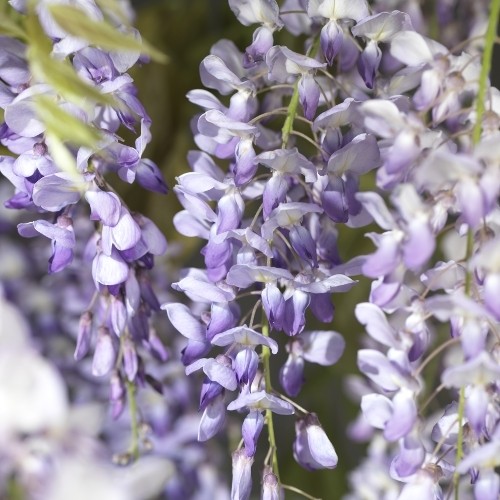
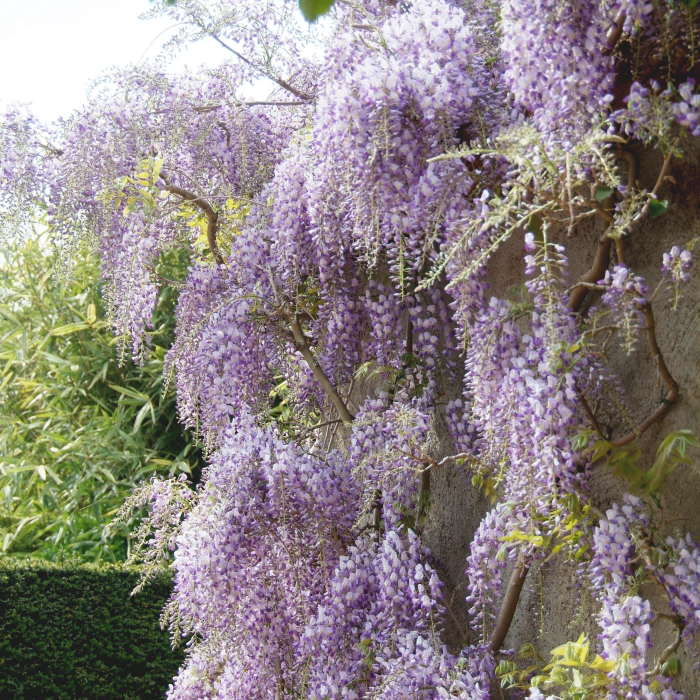


Wisteria Climbing Plants - Description
- Potted Wisteria Climbing Plant
- Deciduous Climber
- Cultivar: Wisteria Sinensis
- A Vigorous & Fast Growing Vine
- Abundance of Sky Blue / Light Purple Blooms From Late Spring
- Mature Size: 9m in Height x 3m Spread
- Current Size: 75cm
- Pot Size: 2.25 Litres
Wisteria Climbing Plants - Characteristics
- Long lived climbers, flush with colour in Spring
- Leaves: Pinnate, Start out bronze in Spring & turn bright green
- Flowering: Clusters of double flowers up to 30cm in length
- Fragrance: Sweetly scented
- Colour: Light blue / purple & yellow centre
- Mature Height: 9m
- Spread: 3m
- Growth rate: Average
- Can be grown against a wall or fence
Wisteria Climbing Plants - Uses
- Great for Spring colour
- Ideal along a south facing wall
- Can be grown on trellis or pergola
- Ensure wooden frame work is sturdy enough to support a mature Wisteria
- Looks great in a traditional setting & cottage style gardens
- Suited to a sunny spot
- Attracts butterflies
Wisteria Climbing Plants - Planting Instructions
Sowing Time
- These potted plants are suited to planting all year round
- Do not plant in frosty conditions
Hole Preparation
- When planting, dig a deep planting hole, ideally 1½ft deep
- Plant approx. 2" deep to encourage new shoots to develop from ground level
- Shade out lower half of plant with small shrubs
- Ensure roots have plenty of space & soil to grow
- These plants are not suited to containers or limited root zone space
- Mix in well rotted manure
- Also mix in a small handful of fertiliser
Handling the Plants
- Take care not to damage plant's roots
- Water plants before & after planting
- Feed plants over the Summer months
- Use a fertiliser high in phosphorus & potassium
- Mulch up around the base of plants after planting
- Provide a climbing support for wisteria when young
- A trellis or wire frame would work fine
Pruning Wisteria
- Benefits from regular pruning
- This promotes better flowering & will keep plant in check
- Prune in back after flowering
- Ideally, prune in July - August
- Cut back fresh, young growth to keep plant in check
Wisteria - Interesting Fact
- Wisteria was named after Dr. Caspar Wistar - The man who almost discovered the first ever dinosaur bone
- He found the bone in 1787 but failed to see it's significance & the (thigh) bone was later lost


