


Cart is empty

Save 8%



Yew Hedging - Description
- First shipment date will be 06.11.2025
- Bare Root Yew Hedging Plants
- Taxus Baccata
- AKA Common Yew, Irish Yew
- Pack of 10 Plants
- Size: 1- 2 Foot (30 - 50cm)
- Age: 2+2 /4 yr Transplants Seedling
- Quantity: 10 Plants
- Spacing Between Plants - Anywhere From 30cm to 60cm
- Depending on Thickness of Hedging Desired
Yew Hedging - Characteristics
- Mature Size: 30m
- Evergreen plant, meaning it retains it's foliage in Winter
- A hardy plant, It's able for cold Winters
- Reddish bark with deep contours
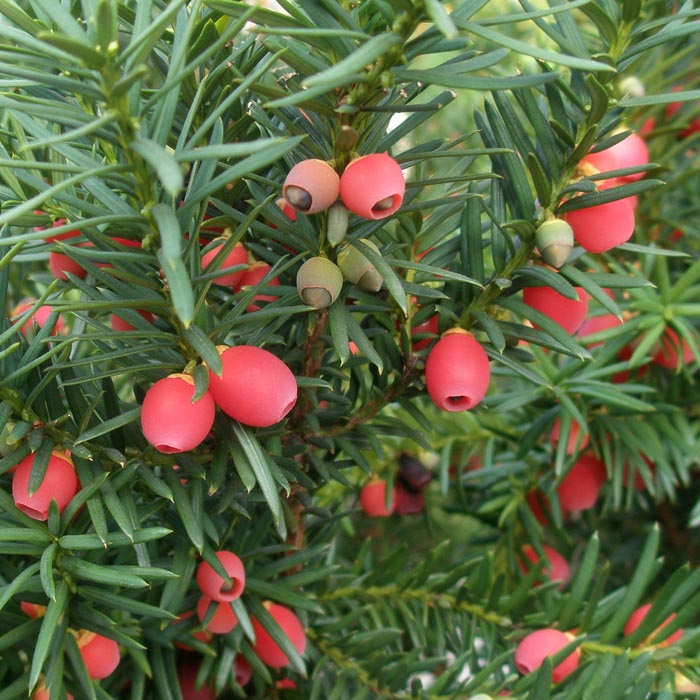
- Deep green needles approx 3cm in length
- Red berries appear in Autumn
- Tree becomes more stately as it ages
Yew Hedging - Uses
- If grown as a specimen tree
- Can reach height of 30m
- If grown as hedging
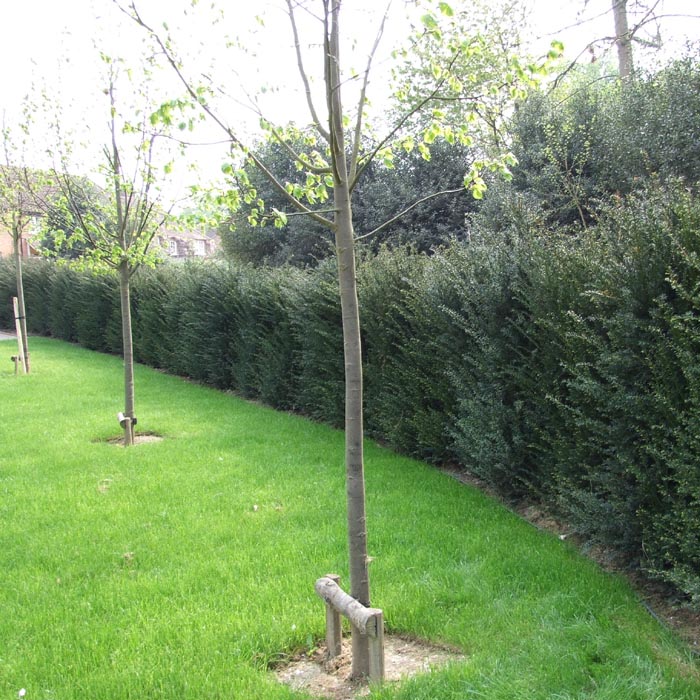
- Will form a very formal hedge
- Can also be left unkempt to form a more free flowing hedge
- Slow growing but will provide great, all year round privacy
- Great for attracting wildlife, birds & insects
- Bird can eat the berries & nest in the branches
- The berries & foliage however is poisonous to both livestock & humans
- Also used in topiary
- Dense foliage but slow growth rate make it suitable but not ideal for topiary
Yew Hedging - Facts
- The Oldest tree in the world is a yew tree. Found in Fortingall, Scotland, it is believed to be 3000 years old
- Yew trees are of course native to Ireland & can be found growing in our oldest of forests
- Killarney National Park, Co Kerry has Ireland's only Yew forest
- Yews were often planted on graveyards & church grounds to prevent locals from using the land to graze their cattle - Yew is poisonous to cattle
- To this day Yews are commonly found on graveyards & are often associated with this
- Also common on old estates such as Emo Court Co. Laois


